Home Inspection: What to Expect and How to Prepare

Home Inspection: What to Expect and How to Prepare
Buying or selling a home is one of the biggest financial decisions you'll make. Before the transaction is complete, a Home Inspection plays a crucial role. It helps buyers understand the property's condition and gives sellers an opportunity to fix issues before closing the deal.
A professional inspection reduces surprises, builds trust, and helps both parties make informed decisions. Whether you're purchasing your first home or preparing to sell, knowing what happens during a home inspection can make the process much smoother.
Why a Home Inspection Is Important
A Home Inspection is a detailed evaluation of a property's condition. A licensed home inspector checks the major systems and structural components of the house to identify existing or potential problems.
For buyers, the inspection provides confidence before making a final investment. For sellers, it helps avoid unexpected negotiations later in the process.
A well-maintained property also creates a better impression and can improve the chances of closing the sale successfully.
For expert real estate guidance and verified property listings, visit - Riseonic Realty.
What Happens During a Home Inspection
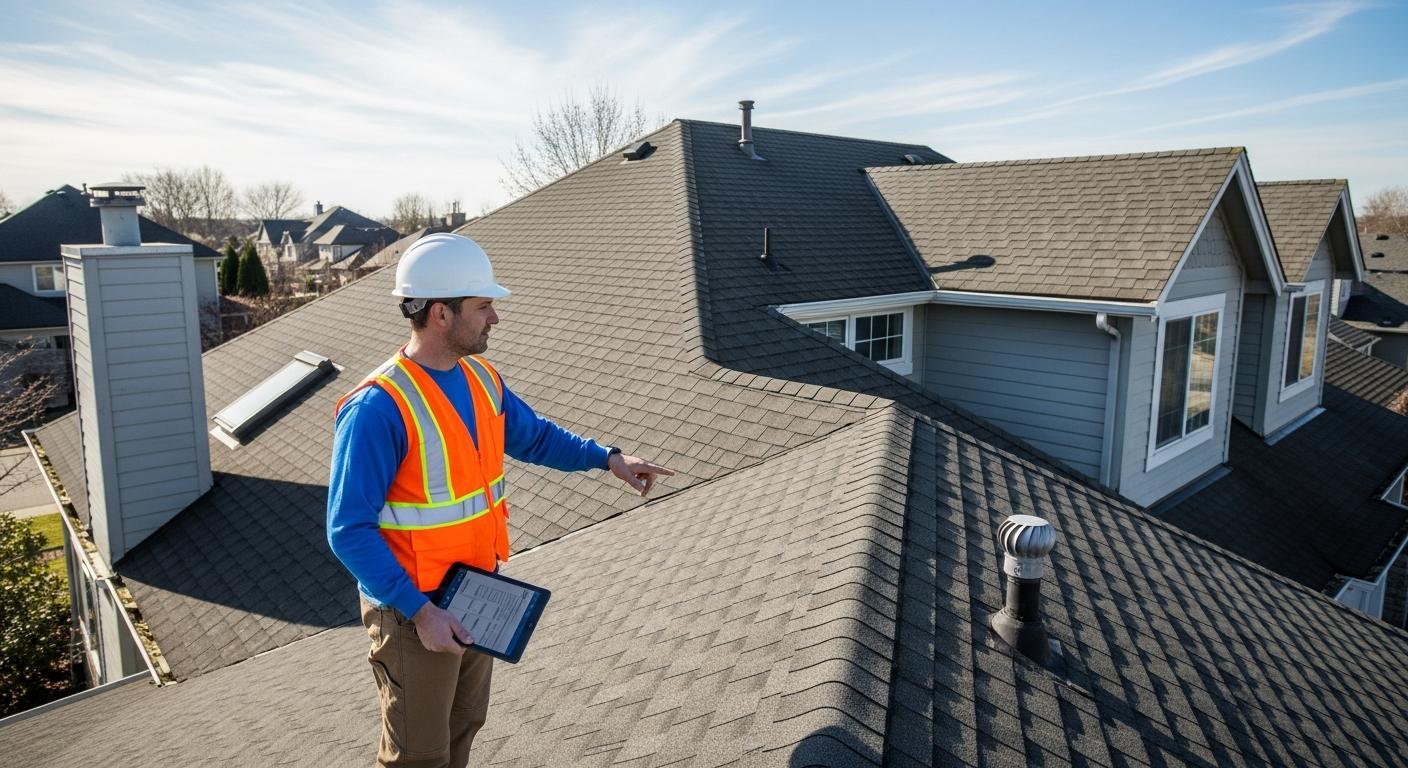
During a Home Inspection, a professional inspector evaluates both the interior and exterior of the property.
Common areas inspected include:
- Foundation
- Roof
- Walls and ceilings
- Plumbing system
- Electrical wiring
- HVAC system
- Doors and windows
- Flooring
- Kitchen appliances
- Bathrooms
- Garage
- Drainage system
The inspector prepares a detailed report highlighting any defects, safety concerns, or maintenance recommendations.
Structural Components Checked During a Home Inspection
The structural condition of a home is one of the most important inspection areas.
Inspectors examine:
- Cracks in walls
- Foundation movement
- Roof damage
- Water leakage
- Ceiling condition
- Load-bearing walls
These issues can significantly affect the property's value and future repair costs.
How to Prepare for a Home Inspection
Preparing your property before the inspection helps create a positive impression.
Here are some practical steps:
- Clean every room thoroughly.
- Replace burnt-out light bulbs.
- Fix leaking faucets.
- Repair broken locks and handles.
- Ensure smoke detectors are working.
- Service heating and cooling systems.
- Remove clutter from storage spaces.
- Provide easy access to the attic, basement, and electrical panel.
Small repairs can prevent unnecessary concerns during the inspection.
Documents to Keep Ready
Keep important documents available for the inspector and buyer.
These may include:
- Property maintenance records
- Appliance warranties
- Renovation invoices
- Roof repair history
- HVAC service reports
Organized documentation shows that the property has been well maintained.
Common Issues Found During a Home Inspection
Even well-maintained homes may have minor problems.
Frequently reported issues include:
- Roof leaks
- Plumbing leaks
- Electrical faults
- Damp walls
- Poor insulation
- Foundation cracks
- Pest damage
- Mold growth
Most of these issues can be repaired before the sale is completed.
American Society of Home Inspectors
https://www.homeinspector.org/
How Buyers Should Use the Inspection Report
A home inspection report is not meant to discourage buyers.
Instead, it helps them understand the property's true condition.
After reviewing the report, buyers can:
- Request repairs.
- Negotiate the purchase price.
- Ask for maintenance records.
- Plan future improvements.
The report provides valuable information that supports better decision-making.
How Sellers Benefit from a Home Inspection
Many sellers choose to complete a pre-listing inspection.
This offers several advantages:
- Fix problems before listing.
- Build buyer confidence.
- Reduce negotiation delays.
- Increase property value.
- Speed up the closing process.
A well-maintained property often attracts more serious buyers.
Work with a Trusted Real Estate Professional
An experienced real estate consultant can guide you through the inspection process.
Professional assistance includes:
- Scheduling inspections
- Understanding inspection reports
- Negotiating repairs
- Completing documentation
- Managing the closing process
Expert advice helps reduce stress and ensures a smoother transaction.
Common Mistakes to Avoid
Avoid these common mistakes before a home inspection:
- Ignoring minor repairs
- Blocking access to inspection areas
- Skipping HVAC maintenance
- Leaving plumbing leaks unrepaired
- Hiding known defects
- Not reviewing previous repair records
Being transparent helps create trust between buyers and sellers.
Conclusion
A Home Inspection is an essential step in every real estate transaction. It protects buyers from unexpected expenses while helping sellers prepare their property for a successful sale.
Taking the time to complete repairs, organize maintenance records, and work with experienced real estate professionals can make the inspection process easier and improve your chances of a smooth closing.
Whether you're buying or selling, investing in a professional home inspection is always a smart decision.
News insight
 Apr 26, 2026
How to Choose the Right Neighborhood for Your Family
Learn how to choose the right neighborhood for your family. Discover key factors like safety, school...
 Apr 26, 2026
Property Management: Best Practices for Landlords
Learn the best property management practices for landlords. Discover tips on tenant screening, maint...
 Apr 26, 2026
Renovation Ideas to Increase Your Home’s Value
Discover the best home renovation ideas to increase your property's value. Learn affordable upgrades...